
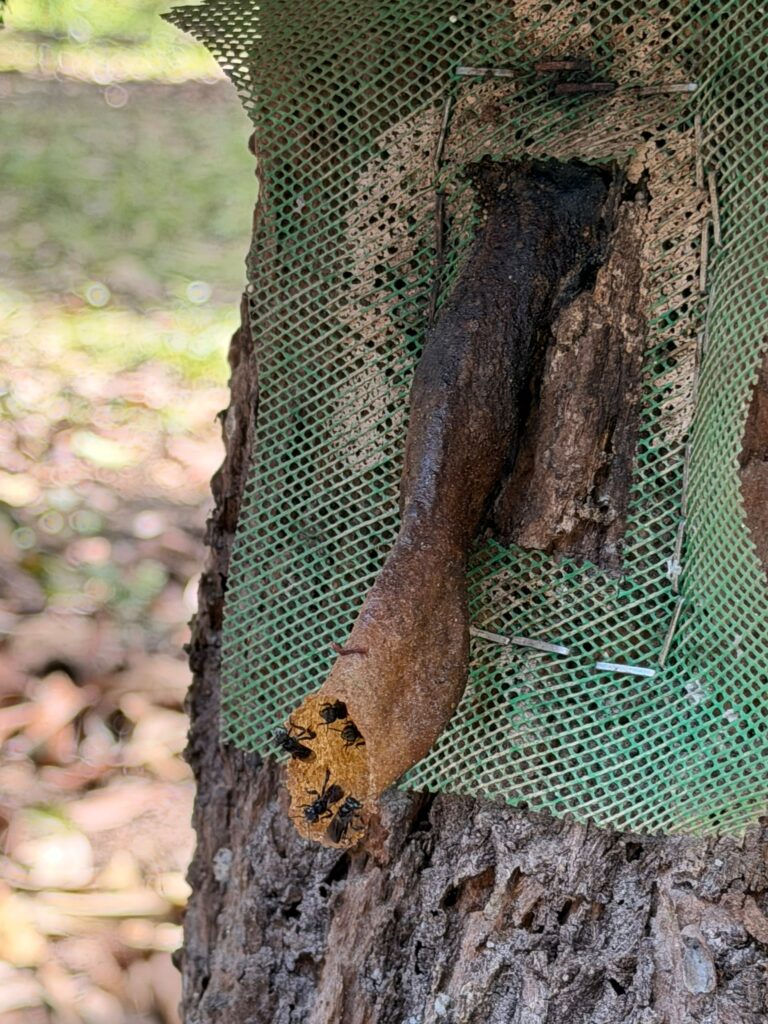
It is always fascinating to observe how bees keep their hive, literally, of activities going. A short distance away from 2 Rivers is a bee farm where we would buy bottles of raw honey. The conversation with the seller always starts with the flavour of the honey and whether there is an abundant supply.
Both these factors are pretty much determined by the temperature, the flowers that are in bloom nearby. We used to think that bees work regimentally and loyally according to the task assigned. But what actually happens within the hive, as researchers found, is that bees exchange roles based on the needs of the hive.
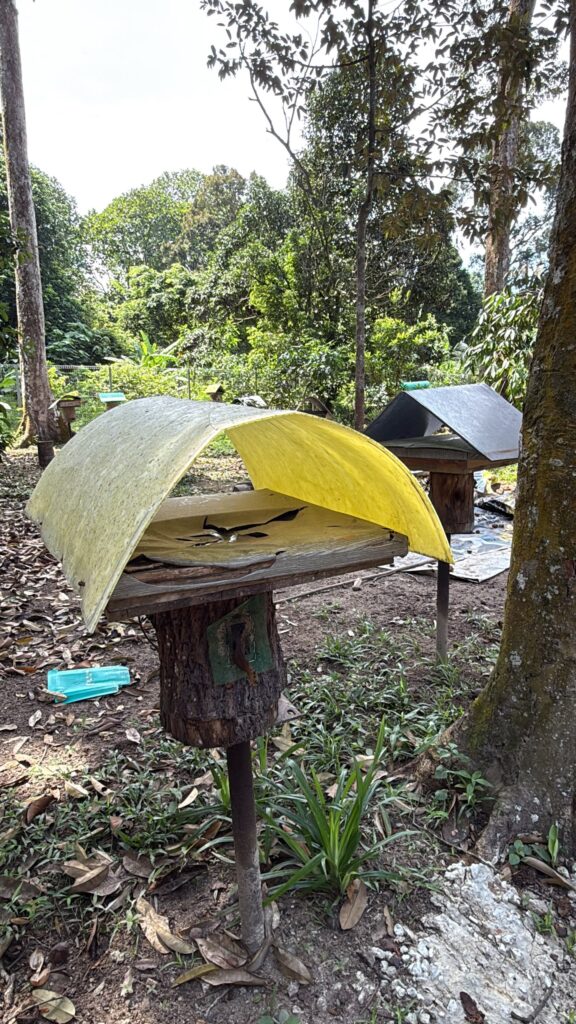
While they are trained as young bees to keep house, nurse larvae and tend to the Queen, they are also ready to speed up development to become a forager to gather nectar if there is a shortage of foragers to do the nectar run. And if the day is too hot, they will prioritise collecting water to collecting nectar.
They will also choose pollen over nectar if there are more larvae needing nutrition. Bees have no organisational chart but their ability to do role reversals based on biological needs should inspire a team that is flexible and not locked in to only the task that was first assigned.
The bees ability to dynamically shift from one role to another is a good example for cross-functional teams to constantly check and reallocate people or resources to wherever the bottleneck is.- PK Journal
Leave a Reply