
Running a resort or lodge is no easy feat. You can have the best design and the most advanced engineering, and something will still go wrong — usually during operation, and if you’re unlucky, when the property is full of guests.
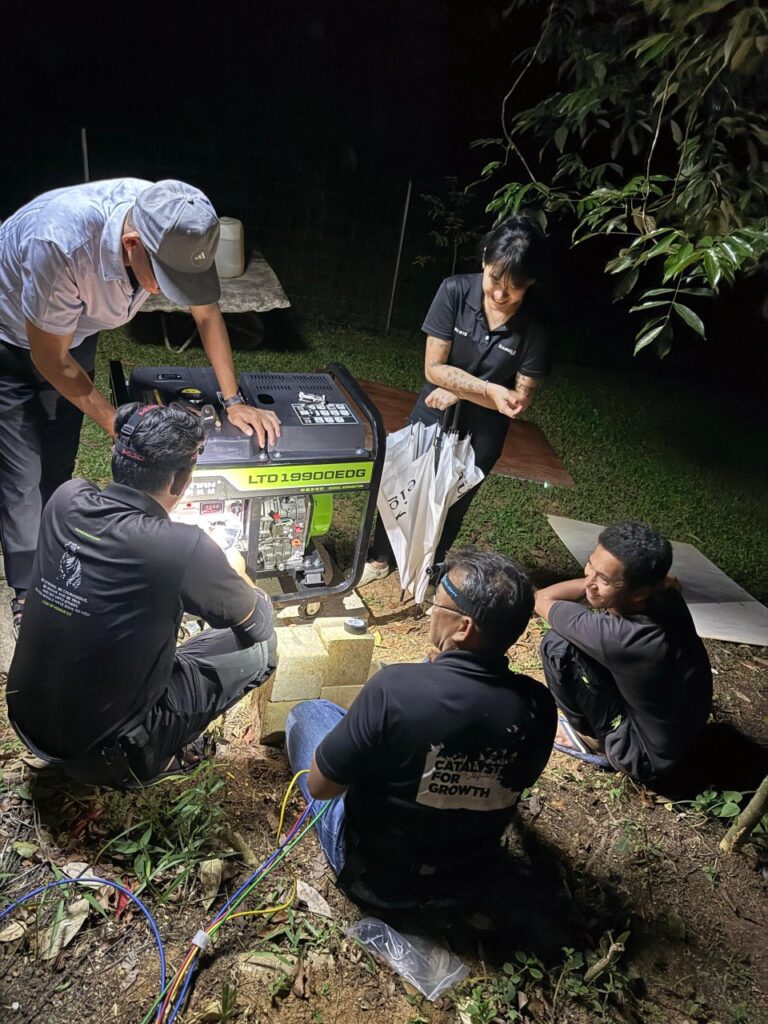
Being an eco-friendly property, our issues tend to circle back to power and water. Guests love the idea of sustainability right up until they want their air conditioner running 24 hours a day. At 2 Rivers we run on solar, and depending on the weather, our batteries don’t always hold enough charge to meet demand.
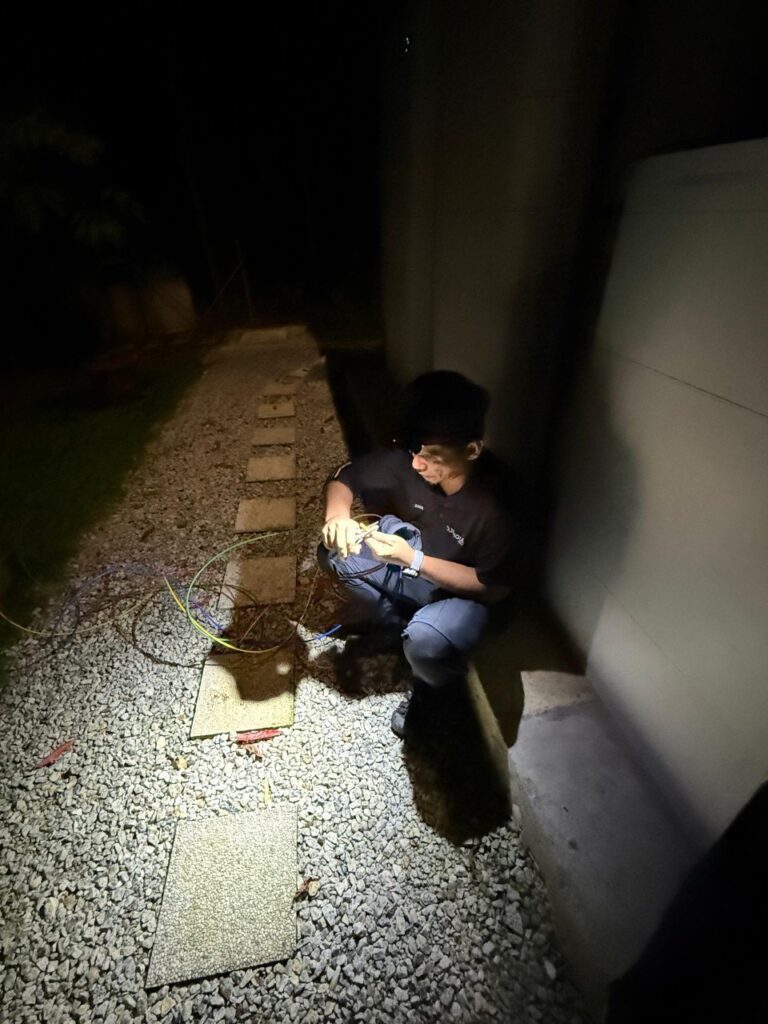
There’s a constant balancing act between running a business and educating guests on what sustainability actually costs. Recently, the rainy season left our batteries under-charged, so we had to bring in a backup generator. It arrived in the evening, which meant we assembled and installed it ourselves.
Let’s be honest: none of us huddled around that generator were trained to wire up or fire up one. What got us through was a shared attitude — a willingness to figure it out together. No amount of formal training, however extensive, builds that mindset on its own. It comes from latent learning: from working alongside people who share the same instinct to solve the problem in front of them.
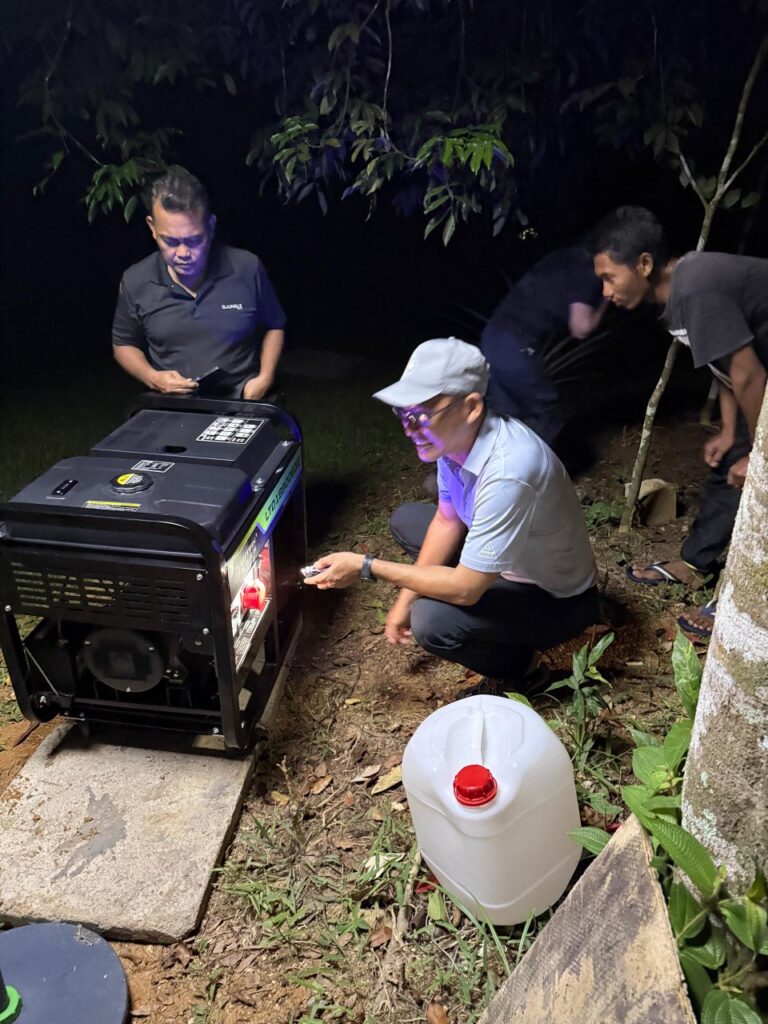
Experience is the closest thing to a best teacher in problem-solving. It’s what lets someone ask the right question on the spot and actually contribute to the fix, rather than waiting to be told what to do.
That said, experiential training still earns its place. Done well, it builds mindsets and instills learning that travels — the kind you can apply across circumstances you haven’t faced yet. But it’s meant to prepare people to be agile and ready for problems they have yet to encounter.
Let me leave you with this to ponder over. More of the same formal and structured training, isn’t going to make one a proactive problem solver. – PK Journal
Leave a Reply