
Animals that exist in groups or troops do so for reasons of protection, to defend their grounds, share food sources like feeding grounds, and even to do collective decision-making when they forage together — with the more experienced ones influencing timing and direction.
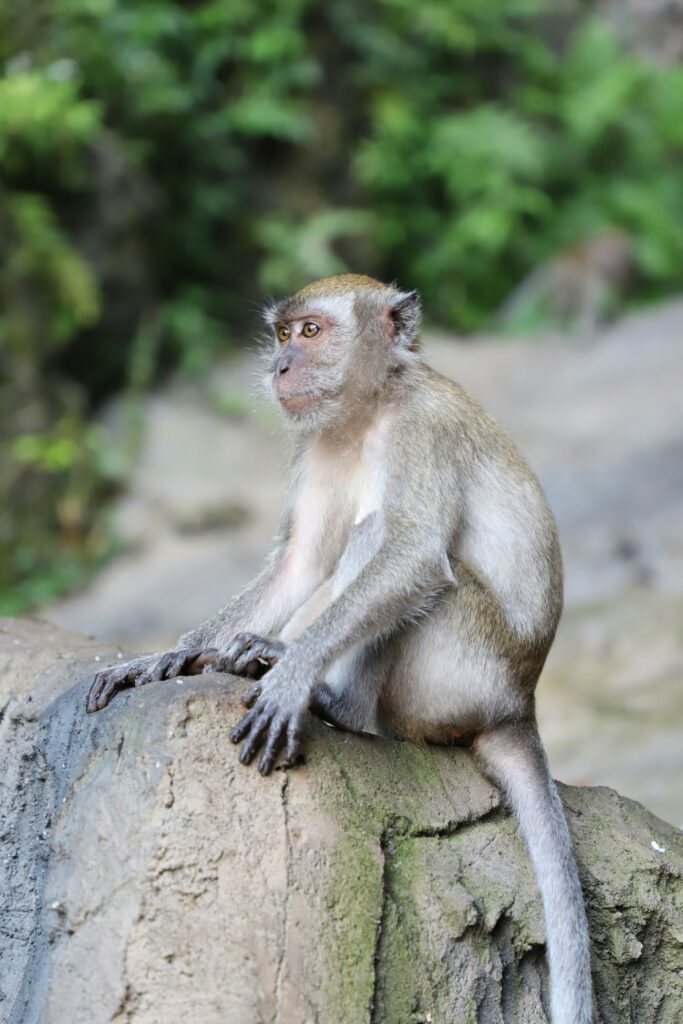
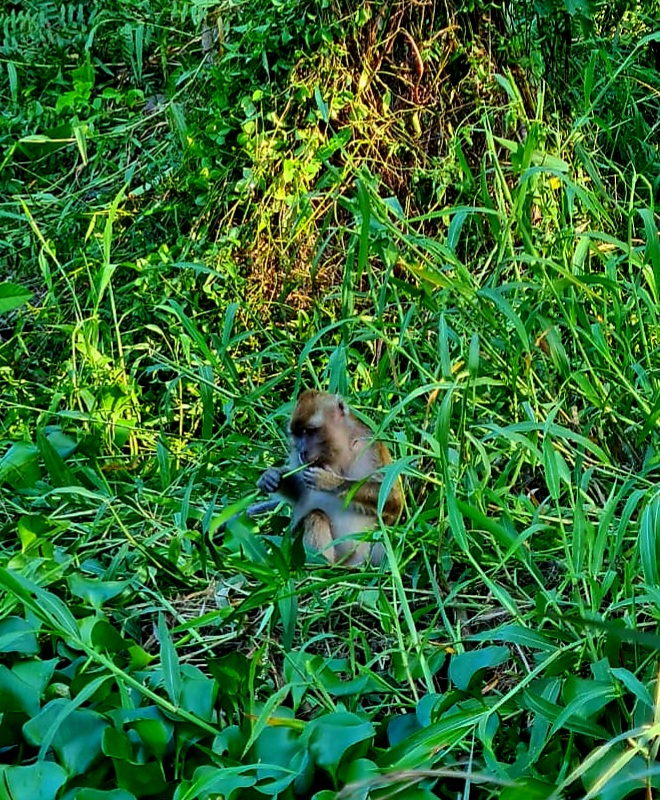
On the drive into our lodge at 2 Rivers, sometimes these macaques come out hanging overhead or on the roadside to remind us of their presence. Though they seem scattered, they are actually united as a troop. They are hierarchical in structure — to reduce conflict over food, mates, and space — they stay connected and exercise collective decision-making.
It can be disastrous if the troop is separated, either by a gap in the canopy, extensive deforestation, or climate change. These may be gradual, but they still result in dire consequences. I couldn’t help but reflect on our efforts in building teams at work.
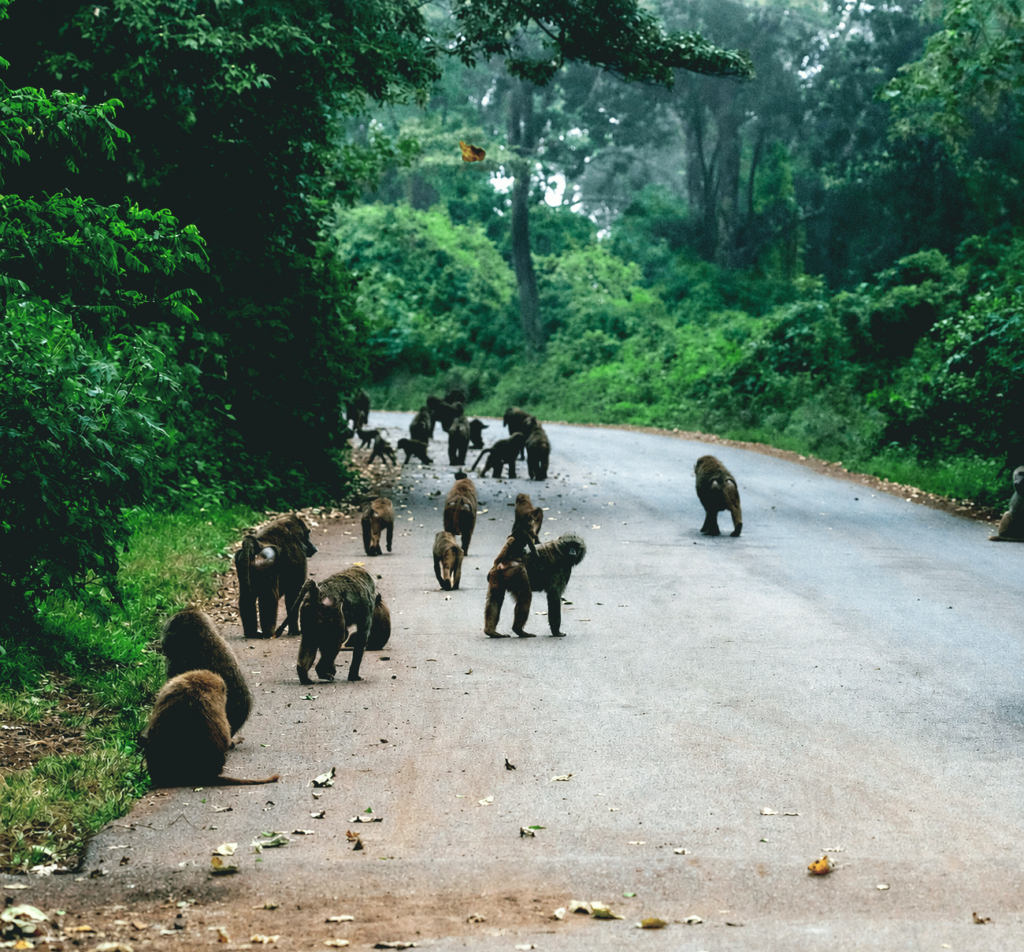
Leaders who are too focused on targets and goals, with pressing schedules, tend to disconnect from the team on a personal, developmental level. Counselling and interaction give way, and the team ends up working in isolation, individually. This isolation can demotivate and drive workers to look elsewhere for a better working environment.
I noticed too how the troop moves as one when danger is sensed — a single alarm call from one
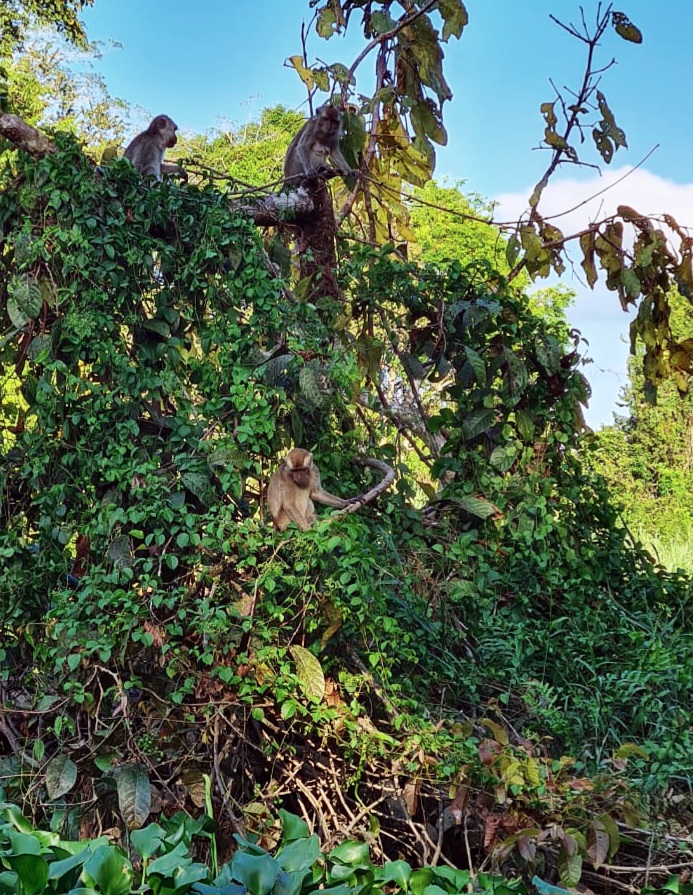
monkey and the whole group responds, regardless of who spotted the threat first. In teams, that kind of instinct only survives when people trust that flagging a problem early will be met with support, otherwise the whole team walks into danger together.
I also thought about how the hierarchy in a troop isn’t about domination for its own sake — it’s functional. The elder monkeys lead foraging routes because they’ve earned that trust through experience, not title. It made me question how often we promote people into leadership without that same earned trust, and how quickly a team senses it.
Staying within the troop allows these primates to learn and carry out cultural transmission. Younger monkeys learn to forage and to avoid predators from older troop members. They have no books, apps, or AI to teach them. All they need is to stay connected to learn these skills.
Watching them, I kept thinking about how much of what we call “onboarding” or “mentorship” at work is really just this — proximity over time. You can’t shortcut it with a manual. The younger monkey has to be near the elder one, watching, failing, trying again. Maybe that’s the real lesson from the troop: connection is the basis for performance. – PK Journal
Leave a Reply